


Introduction to Data-Driven Marketing
Paid advertising can be a powerful tool. But without the right approach, it can also drain your budget fast. In today’s competitive digital world, simply running ads isn’t enough. We need to be smart about it.
This is where data and testing come in. They are no longer optional. They are essential for any profitable paid advertising strategy. Every click, every impression, and every conversion tells a story. Understanding these stories helps us make better decisions.
This guide will show you how to use data and A/B testing to improve your ad performance. We will explore core strategies and how to overcome common challenges. We will also look at how expert support, like from a Dedicated paid ad manager, can make a big difference. This partnership helps ensure your campaigns are always optimized for success.
Core Components of a Modern Paid Advertising Strategy
Building a successful paid advertising campaign is akin to constructing a complex machine; each component must function optimally and in harmony with the others. Our approach focuses on a holistic strategy that integrates various elements to maximize reach, engagement, and conversions.
At the foundation, audience segmentation is paramount. We meticulously define target demographics based on various criteria such as age, location, interests, behaviors, and previous interactions with your brand. This allows us to tailor ad messages that resonate deeply with specific groups, avoiding a one-size-fits-all approach that often leads to wasted spend.
Next, keyword research for search campaigns and interest/behavioral targeting for social campaigns forms the backbone of discovery. For search, we identify high-intent keywords that your potential customers are actively using, ensuring your ads appear when they are most receptive. For social, we leverage platforms’ sophisticated targeting capabilities to place your brand directly in front of relevant users.
The ad copy itself is crucial. It must be compelling, concise, and clearly communicate your unique value proposition. We craft headlines and descriptions that grab attention, speak to pain points, and offer clear calls to action. This is complemented by visually appealing ad creatives – images and videos that stand out in crowded feeds and search results.
Effective landing pages are the destination for your ad clicks. These pages are designed for conversion, featuring clear messaging, minimal distractions, and intuitive forms. A seamless user experience from ad click to conversion is vital for maximizing return on investment.
Conversion tracking is the eyes and ears of our campaigns. By accurately tracking actions like purchases, form submissions, or phone calls, we gain invaluable insights into what’s working and what’s not. This data fuels our optimization efforts, allowing us to allocate budget more effectively.
Finally, budget allocation is strategically managed across different platforms and campaigns. We continuously monitor performance metrics to shift resources to the highest-performing areas, ensuring every dollar spent contributes to your business goals.
Refining Your Paid Advertising Strategy through Attribution

Understanding which touchpoints contribute to a conversion is critical for refining your paid advertising strategy. This is where attribution models come into play. Instead of simply crediting the last click, we analyze the entire customer journey, recognizing that a series of interactions often leads to a conversion. Different models – like first-click, last-click, linear, or time decay – offer varied perspectives on how credit is distributed across various touchpoints. By applying these models, we gain a more nuanced understanding of channel effectiveness.
A common challenge in this area is dealing with data silos, where information from different advertising platforms or analytics tools doesn’t communicate effectively. This fragmentation can obscure the true conversion path and lead to misinformed decisions. We work to integrate these data sources, creating a clearer picture of how users interact with your brand across multiple channels before converting. This holistic view of conversion paths allows us to optimize not just individual ads, but the entire sequence of interactions, ensuring that each step guides the customer closer to your desired outcome.
Integrating Multi-Channel Data for Holistic Insights
In today’s complex digital landscape, customers interact with brands across numerous channels – from search engines and social media to display networks and email. To truly understand campaign performance and customer behavior, we advocate for integrating multi-channel data. This involves pulling information from all relevant sources to create a unified reporting system.
Technically, this often requires leveraging API integrations that allow different platforms to exchange data seamlessly. By consolidating cross-platform data, we can identify trends, patterns, and correlations that might be invisible when analyzing channels in isolation. For instance, we can understand how a user’s initial exposure to a brand on social media influences their later search behavior and eventual conversion. This integration also enables advanced strategies like managing audience overlap to prevent ad fatigue and optimizing frequency capping across channels, ensuring your message reaches the right person at the right time without becoming intrusive. The goal is to move beyond fragmented insights to a comprehensive, interconnected view of your advertising ecosystem.
The Impact of a Dedicated Account Manager on Campaign Performance
While robust strategies and sophisticated data analysis are fundamental, the human element of expert guidance and partnership cannot be overstated. This is precisely where a dedicated account manager becomes an invaluable asset to your paid advertising efforts. A dedicated account manager is not merely a point of contact; they are your strategic partner, deeply embedded in your business objectives and committed to your success.
They serve as your primary contact, providing a consistent and knowledgeable resource who understands the nuances of your campaigns and your business. This singular point of contact eliminates the frustration of explaining your history or goals repeatedly to different people. Their role extends to offering strategic oversight, ensuring that every advertising decision aligns with your broader business goals. They bring a wealth of experience and industry best practices to the table, helping you navigate the complexities of the digital advertising world.
Crucially, a dedicated account manager excels at relationship building. They invest time in understanding your company culture, your market, and your long-term vision. This deep understanding allows them to act as an internal advocate within their own organization, ensuring your needs are prioritized and effectively communicated to the various teams working on your campaigns. Their personalized attention means your campaigns receive the focus they deserve, leading to more tailored strategies and better results. They are constantly working to ensure your paid advertising efforts directly contribute to achieving your business goals.
Here’s a list of primary responsibilities for a dedicated account manager in the context of paid advertising:
- Client Relationship Management: Building and maintaining strong, long-term relationships.
- Strategic Planning: Developing and evolving paid advertising strategies aligned with client business objectives.
- Performance Monitoring & Analysis: Continuously tracking campaign performance, identifying trends, and providing insights.
- Budget Management: Overseeing ad spend and optimizing allocation for maximum ROI.
- Communication & Reporting: Providing regular updates, performance reports, and actionable recommendations.
- Proactive Problem Solving: Anticipating and addressing potential issues before they impact campaign performance.
- Internal Coordination: Liaising with creative, technical, and analytical teams to ensure seamless campaign execution.
- Market & Industry Insight: Keeping clients informed about relevant industry trends, platform updates, and competitive landscapes.
- Upsell & Cross-sell Opportunities: Identifying opportunities to expand services that align with client growth.
- Quality Assurance: Ensuring ad campaigns adhere to brand guidelines, compliance, and best practices.
How a Dedicated Account Manager Enhances Your Paid Advertising Strategy
The presence of a dedicated account manager fundamentally transforms how businesses approach and execute their paid advertising. Their expertise allows for the creation of customized solutions that are precisely tailored to your unique challenges and opportunities, moving beyond generic templates. They don’t just run ads; they craft a bespoke strategy that reflects your brand identity, target audience, and specific objectives.
One of their most significant contributions is proactive problem-solving. Rather than waiting for issues to arise, a dedicated account manager actively monitors campaign performance, identifies potential roadblocks, and implements adjustments before problems escalate. This forward-thinking approach minimizes wasted spend and keeps campaigns on track. For example, if a campaign’s cost-per-click suddenly spikes, they investigate the cause and implement corrective measures swiftly.
Streamlined communication is another core benefit. With a single, consistent point of contact, you avoid the inefficiencies of being passed between different team members. This ensures that your vision remains intact from concept to execution, and feedback is incorporated efficiently. This direct line of communication fosters trust and transparency, making collaboration smoother and more effective.
They provide invaluable expert guidance, drawing on their deep knowledge of various advertising platforms, algorithms, and market dynamics. They can advise on the latest features, emerging trends, and competitive strategies, ensuring your campaigns remain cutting-edge. This expertise translates into long-term value, as they become intimately familiar with your business, industry trends, and audience behavior over time, allowing for increasingly sophisticated and effective strategies. They help you stay ahead of the curve, adapting to new challenges and seizing new opportunities in the ever-evolving digital landscape.
Differentiating Dedicated Support from General Account Management
Understanding the distinction between a dedicated account manager and a general account manager or support representative is key to appreciating the value of specialized support. While both roles aim to assist clients, their approach and depth of engagement differ significantly.
A dedicated account manager provides a single point of contact who is exclusively or primarily assigned to your account. This means they develop a deep business context, understanding your specific goals, challenges, history, and even your team’s preferences. They are not just handling tickets; they are building a relationship. This leads to greater accountability, as one person is consistently responsible for your success and the overall relationship. The consistency in communication and strategy ensures that your campaigns evolve thoughtfully, without the disjointed feeling of interacting with different individuals who may lack full context.
In contrast, a general account manager or support representative might handle a larger volume of clients, often without a specific, long-term assignment to any one account. You might interact with different people depending on who is available, which can lead to repetitive explanations and a less personalized experience. While they offer support, it’s typically more reactive and transactional, focusing on immediate issues rather than long-term strategic partnership.
Dedicated managers offer specialized expertise that grows with your account. They proactively seek opportunities for growth and optimization because they are invested in your specific outcomes. This translates into a high-touch service model, where the focus is on anticipating needs, providing strategic insights, and ensuring a premium, tailored experience that directly contributes to your overall success in paid advertising.
Leveraging A/B Testing and Data Analytics for Maximum ROI
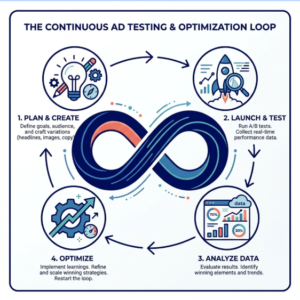
In the pursuit of profitable paid advertising, guesswork is the enemy. Instead, we rely on rigorous A/B testing and sophisticated data analytics to make informed decisions and maximize your return on investment. A/B testing allows us to compare two versions of an ad element – such as a headline, image, or call-to-action – to see which performs better. This isn’t just about small tweaks; it’s a systematic approach to continuous improvement.
Beyond simple A/B tests, multivariate testing allows us to test multiple variables simultaneously, identifying the optimal combination of elements for maximum impact. We establish control groups to ensure that any observed changes in performance are indeed due to our test variations, rather than external factors. Every test begins with a clear hypothesis testing, defining what we expect to happen and why.
Key metrics like Click-Through Rate (CTR), Cost Per Acquisition (CPA), and Quality Score are continuously monitored and analyzed during these tests. A higher CTR indicates more engaging ads, while a lower CPA means more efficient conversions. A strong Quality Score on platforms like Google Ads can lead to lower costs and better ad positions. We know that customer experience is paramount; research indicates that 69% of B2B customers are ready to take their business elsewhere if their experience doesn’t match their expectations. This statistic underscores the importance of continuously testing and optimizing to deliver the best possible ad experience.
Understanding user behavior is also crucial. Tools like heatmaps can show us where users click, scroll, and spend their time on landing pages, providing visual insights into engagement and potential areas for improvement. By combining these testing methodologies with deep data analysis, we can pinpoint exactly what resonates with your audience and drive campaigns that deliver superior results.
Identifying High-Value Opportunities through Data Mining
Data mining is the process of discovering patterns and insights from large datasets, and it’s a powerful tool for uncovering hidden opportunities in your paid advertising. One key application is white space analysis, which involves identifying untapped market segments or unmet customer needs that your current campaigns might not be addressing. By analyzing demographic, behavioral, and competitive data, we can pinpoint areas where your brand can expand its reach with new ad strategies.
Furthermore, data mining helps us understand and predict customer lifetime value (CLV). By analyzing past purchase behavior, engagement patterns, and demographic data, we can identify which customer segments are likely to be most profitable over time. This allows us to allocate advertising spend more strategically, focusing on acquiring and nurturing high-CLV customers. Similarly, churn prediction models can identify customers at risk of leaving, enabling proactive retention campaigns through targeted ads or special offers.
Beyond acquisition and retention, data mining helps uncover upsell opportunities by identifying customers who might be ready for a higher-tier product or service. It also informs market research, providing insights into broader market trends, competitor activities, and evolving customer preferences, all of which can be leveraged to refine your advertising messages and targeting. This deep dive into your data transforms raw information into actionable strategies for growth.
Technical Implementation and Quality Assurance Standards
The best advertising strategy can falter without meticulous technical implementation and robust quality assurance. In paid advertising, this means ensuring that all tracking mechanisms are correctly set up and continually monitored. Correct pixel placement is fundamental for accurate conversion tracking and audience building. Whether it’s a Facebook Pixel, Google Ads tag, or LinkedIn Insight Tag, precise placement ensures that every valuable action on your website is recorded.
Tag management systems play a critical role in streamlining this process. Tools like Google Tag Manager allow us to deploy and manage all marketing tags from a single interface, reducing the need for direct code changes and minimizing the risk of errors. This is particularly important for dynamic elements and complex tracking scenarios. We also pay close attention to scripting and custom code, ensuring it’s optimized for performance and doesn’t interfere with website functionality or load times.
Ad compliance and brand safety are non-negotiable. We rigorously adhere to platform policies and industry regulations, avoiding misleading claims, prohibited content, or targeting practices that could lead to ad disapproval or account suspension. This protects your brand reputation and ensures your campaigns run smoothly.
Finally, our quality assurance processes are designed to catch any discrepancies before they impact performance. This includes regular audits of tracking setups, ad creative reviews, landing page checks, and ensuring data integrity. We understand that 50% of small business owners feel overwhelmed by their financial responsibilities, and technical complexities can add to this burden. Our meticulous approach to technical implementation and QA aims to alleviate this, giving you peace of mind that your advertising investment is accurately tracked and effectively managed.
Overcoming Common Challenges in Paid Advertising Management
Even with the most sophisticated strategies and dedicated support, paid advertising presents a unique set of challenges that require constant vigilance and adaptation. One prevalent issue is limited resources, whether it’s budget constraints, team bandwidth, or access to specialized tools. This necessitates a highly efficient and prioritized approach to campaign management, focusing efforts where they will yield the greatest impact.
Another significant hurdle is balancing competing demands. Clients often have multiple marketing objectives – brand awareness, lead generation, sales – that can sometimes pull in different directions. An effective strategy must reconcile these demands, ensuring that resources are allocated to achieve a harmonious balance.
Data fragmentation continues to be a problem, with valuable insights scattered across various platforms and analytics tools. This makes it difficult to get a unified view of performance and attribute success accurately. We invest in solutions that consolidate this data to provide a clearer picture.
The digital landscape is characterized by market volatility and rapid changes in consumer behavior. What works today might be less effective tomorrow, requiring continuous monitoring and agile adjustments. Ad fatigue is also a real concern, where audiences become desensitized to repetitive messaging, leading to diminishing returns. Fresh creatives and diverse messaging are essential to combat this.
Finally, scaling hurdles can arise when successful campaigns need to expand. This might involve technical limitations, budget ceilings, or the complexity of managing a larger number of campaigns. Overcoming these challenges often requires strategic planning, advanced technical capabilities, and the kind of expert insight that can come from seasoned professionals. For instance, understanding the career paths and salary expectations for roles like account managers, as highlighted by Glassdoor salary data, can give insight into the level of expertise and experience typically found in these specialized positions, which are crucial for navigating complex challenges and driving professional development within advertising teams.
Facilitating Communication and Strategic Planning
Effective communication is the bedrock of successful paid advertising, especially when navigating its inherent challenges. A dedicated account manager acts as a crucial liaison role between your business and the advertising team, ensuring that information flows seamlessly and expectations are managed transparently. This involves more than just reporting; it’s about translating complex technical details into understandable business insights and vice-versa.
They are adept at stakeholder management, ensuring that all relevant parties within your organization are informed and aligned with the advertising strategy. This includes regular check-ins, setting clear agendas, and actively soliciting feedback. A consistent reporting cadence—whether weekly, bi-weekly, or monthly—keeps everyone on the same page regarding performance, progress, and upcoming initiatives.
For more in-depth strategic discussions, Quarterly Business Reviews (QBRs) are invaluable. These sessions provide an opportunity to step back, assess long-term trends, review overarching goals, and collaboratively adjust the roadmap development for future campaigns. This level of planning ensures that advertising efforts are always forward-looking and aligned with evolving business objectives. The goal is complete transparency in all aspects of campaign management, fostering trust and a true partnership where both parties are working towards shared success.
Proactive Problem-Solving and Risk Mitigation
In the world of paid advertising, waiting for problems to surface can be costly. Our approach emphasizes proactive problem-solving and robust risk mitigation to safeguard your investment and maintain campaign momentum. This starts with continuous performance monitoring, where dedicated teams track key metrics in real-time, looking for any deviations from expected trends.
Trend analysis allows us to identify subtle shifts in audience behavior, platform performance, or competitive activity before they become significant issues. For example, if we notice a gradual decline in conversion rates for a specific ad set, we can investigate the cause – perhaps ad fatigue, a new competitor, or a change in seasonal demand – and implement corrective actions immediately.
In the event of unexpected challenges, crisis management protocols are in place. This could involve anything from managing negative ad comments to addressing sudden platform outages or policy changes that impact campaign delivery. Having a plan ensures a swift, coordinated response that minimizes disruption.
We also engage in ongoing competitive intelligence, monitoring what your competitors are doing in the paid advertising space. This helps us identify opportunities, anticipate competitive moves, and refine our strategies to maintain an edge. Furthermore, the digital advertising landscape is constantly evolving, with frequent policy changes from platforms and regular algorithm updates. Our teams stay abreast of these developments, ensuring your campaigns remain compliant and optimized for the latest platform requirements, mitigating risks associated with non-compliance or outdated strategies.
Frequently Asked Questions about Paid Advertising Strategy
What is the difference between a dedicated account manager and a general support representative?
The primary difference lies in the depth of relationship, proactive engagement, and specialized knowledge. A dedicated account manager is a single, consistent point of contact who becomes intimately familiar with your business, goals, and campaign history. They proactively offer strategic advice, anticipate needs, and work as an extension of your team. A general support representative, on the other hand, typically handles a broader range of clients, often on a reactive, transactional basis, addressing specific issues as they arise without the same level of personalized strategic oversight or long-term relationship building.
How does continuous testing contribute to long-term profitability in paid ads?
Continuous testing, such as A/B and multivariate testing, is crucial for long-term profitability because it enables incremental improvements that compound over time. By systematically testing different ad creatives, copy, landing pages, and targeting parameters, we can identify the most effective elements that drive higher conversion rates and lower costs. This iterative process ensures that campaigns are constantly optimized, preventing ad fatigue, adapting to market changes, and consistently improving efficiency. Over time, these optimizations lead to a significant reduction in Cost Per Acquisition (CPA) and an increase in overall Return on Ad Spend (ROAS), making your paid advertising efforts sustainably profitable.
What role does data play in achieving specific business growth goals?
Data plays an indispensable role in achieving specific business growth goals by providing actionable insights that guide strategic decisions. It allows us to accurately identify target audiences, understand their behavior, measure campaign performance, and attribute success to specific efforts. By analyzing data, we can uncover high-value opportunities, predict trends, optimize budget allocation, and refine strategies to maximize impact. Without data, advertising decisions would be based on guesswork, making it nearly impossible to set measurable goals, track progress, or effectively scale successful campaigns to drive tangible business growth.
Conclusion: Building Sustainable Success through Partnership
In the dynamic world of paid advertising, achieving and maintaining profitability requires more than just launching campaigns. It demands a sophisticated blend of data-driven strategy, continuous testing, and expert human oversight. We’ve explored how meticulously crafted components, from audience segmentation to conversion tracking, form the bedrock of effective advertising. We’ve also highlighted the critical role of attribution and multi-channel data integration in gaining holistic insights into the customer journey.
Crucially, the presence of a dedicated account manager emerges as a transformative element. This strategic partner provides not just a single point of contact, but deep business context, proactive problem-solving, and expert guidance that differentiates your campaigns from the competition. Their ability to foster transparent communication and facilitate strategic planning ensures that your paid advertising efforts are always aligned with your overarching business goals.
By leveraging rigorous A/B testing and advanced data analytics, we can identify high-value opportunities and maintain stringent technical and quality assurance standards, ensuring every advertising dollar is spent effectively. And while challenges are inevitable, a proactive approach to communication, problem-solving, and risk mitigation ensures resilience and adaptability.
Building sustainable success in paid advertising is about forging a true strategic partnership. It’s about committing to continuous improvement, enabling scalability, driving consistent revenue growth, fostering strong client retention, and future-proofing your marketing efforts. With the right strategies, data, and dedicated support, your business can navigate the complexities of the digital advertising landscape and achieve long-term success.