

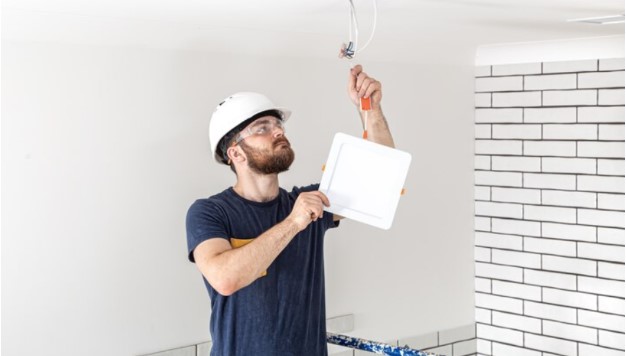

A safe and reliable electrical system is one of the most important parts of any home. From lighting and appliances to heating and charging devices, everything depends on electricity working properly. A residential electrician plays a key role in making sure your home stays safe, efficient, and fully powered. Their work goes beyond simple repairs and includes installation, maintenance, and safety checks that protect your home from electrical risks.
Understanding the Role of a Residential Electrician
A residential electrician is a trained professional who works specifically on home electrical systems. They handle everything from wiring new homes to fixing faulty circuits in older properties. Their main goal is to ensure that electricity flows safely and efficiently throughout your home.
Unlike basic repair work that homeowners may try on their own, electrical systems require proper training and tools. A skilled electrician understands how to follow safety standards, building codes, and technical requirements. This helps prevent hazards such as short circuits, power failures, and even electrical fires.
Ensuring Home Safety Through Proper Electrical Work
One of the most important responsibilities of a residential electrician is maintaining safety in the home. Faulty wiring, overloaded circuits, and damaged outlets can all create serious risks if not handled correctly. An experienced electrician carefully checks these issues and fixes them before they become dangerous.
Regular inspections by a residential electrician also help identify hidden problems. For example, old wiring behind walls or outdated electrical panels may not be visible but can still pose a threat. By detecting these issues early, electricians help protect families and property from potential accidents.
Keeping Your Home Fully Powered and Functional
A well-maintained electrical system ensures that your home runs smoothly every day. A residential electrician helps make sure that all appliances, lighting systems, and outlets receive stable power without interruptions.
If you experience frequent power trips or dimming lights, it may indicate an overloaded system or faulty wiring. In such cases, an electrician can upgrade your electrical panel or redistribute the load safely. This improves performance and ensures that your home can handle modern energy demands, especially with today’s increasing number of electronic devices.
Installation and Upgrades for Modern Homes
Modern homes require more advanced electrical setups than older houses. A residential electrician helps with installing new lighting systems, ceiling fans, home appliances, and smart home devices. They also upgrade outdated systems to meet current energy needs.
Upgrading electrical systems is especially important when renovating a home or adding new rooms. A qualified electrician ensures that the new installations are properly connected and safe to use. This not only improves convenience but also increases the overall value of the property.
Emergency Repairs and Quick Support
Electrical problems can happen at any time, and some of them require immediate attention. A residential electrician is trained to respond quickly to emergencies such as power outages, sparking outlets, or tripped breakers.
Their fast response helps prevent further damage and restores power safely. Instead of guessing the cause of the problem, homeowners can rely on an electrician to diagnose and fix the issue correctly.
Conclusion
A residential electrician plays a vital role in keeping your home safe, efficient, and fully powered. From regular maintenance and safety checks to installations and emergency repairs, their work ensures that your electrical system functions without risk or interruption. Hiring a professional electrician is not just about fixing problems—it is about protecting your home and maintaining a reliable source of power for everyday life.