


Most people judge an event by what they experience. Was registration quick? Did sessions start on time? Was it easy to find the right room? Did everything feel organised? The level for teamwork and coordination taking place in the background is something that is rarely observed.
A modern event can involve dozens of suppliers, hundreds of attendees, multiple schedules, and a team spread across different parts of a venue. Keeping all of that running smoothly takes more than good planning. It also requires the right equipment and tools.
Technology isn’t replacing event professionals. It’s helping them react faster, communicate better, and spend less time dealing with avoidable problems.
Tablets As New Event Folder
A few years ago, event staff could often be spotted carrying printed schedules, venue maps, supplier contacts, and pages of notes. Now, most of that information sits on a tablet. That shift isn’t about following trends. It’s about convenience. When a room assignment changes ten minutes before a session starts or a supplier needs updated instructions, having information available immediately can save a surprising amount of time.
For larger conferences and exhibitions, where plans can change several times throughout the day, tablets have become one of the most practical pieces of equipment on-site.
Mobile Scanners
No one wants to stand in a long queue after arriving at an event. Attendees just want to come in, get their badges, and start networking or attending programs. That procedure is made much easier by mobile scanners.
A quick QR code scan can reduce waiting times dramatically. Scanners offer helpful attendance data in addition to enhancing the attendee experience. The most frequently attended sessions can be monitored by organisers, who can also pinpoint peak times of the day. It’s one of those technologies that works quietly in the background while making a noticeable effect.
Power Banks
Power banks are rarely the first gadget people talk about when discussing event technology. Yet experienced event teams almost always have several of them nearby.
Phones are used for communication. Tablets display schedules. Portable hotspots keep devices connected. After several hours, batteries start dropping faster than expected. A dead device at the wrong moment can create unnecessary stress. A fully charged power bank can prevent that from becoming a problem.
Clear Communication Matters More Than Ever
Events move quickly. A delivery arrives early. A session runs over time. A VIP guest needs assistance. Security receives an update. Small situations like these happen constantly.
What separates a well-managed event from a chaotic one is often how quickly information reaches the right people. Professional headsets allow teams to communicate without shouting across busy venues or relying entirely on text messages. That may have a big impact in loud conference rooms, outdoor spaces, and exhibition halls.
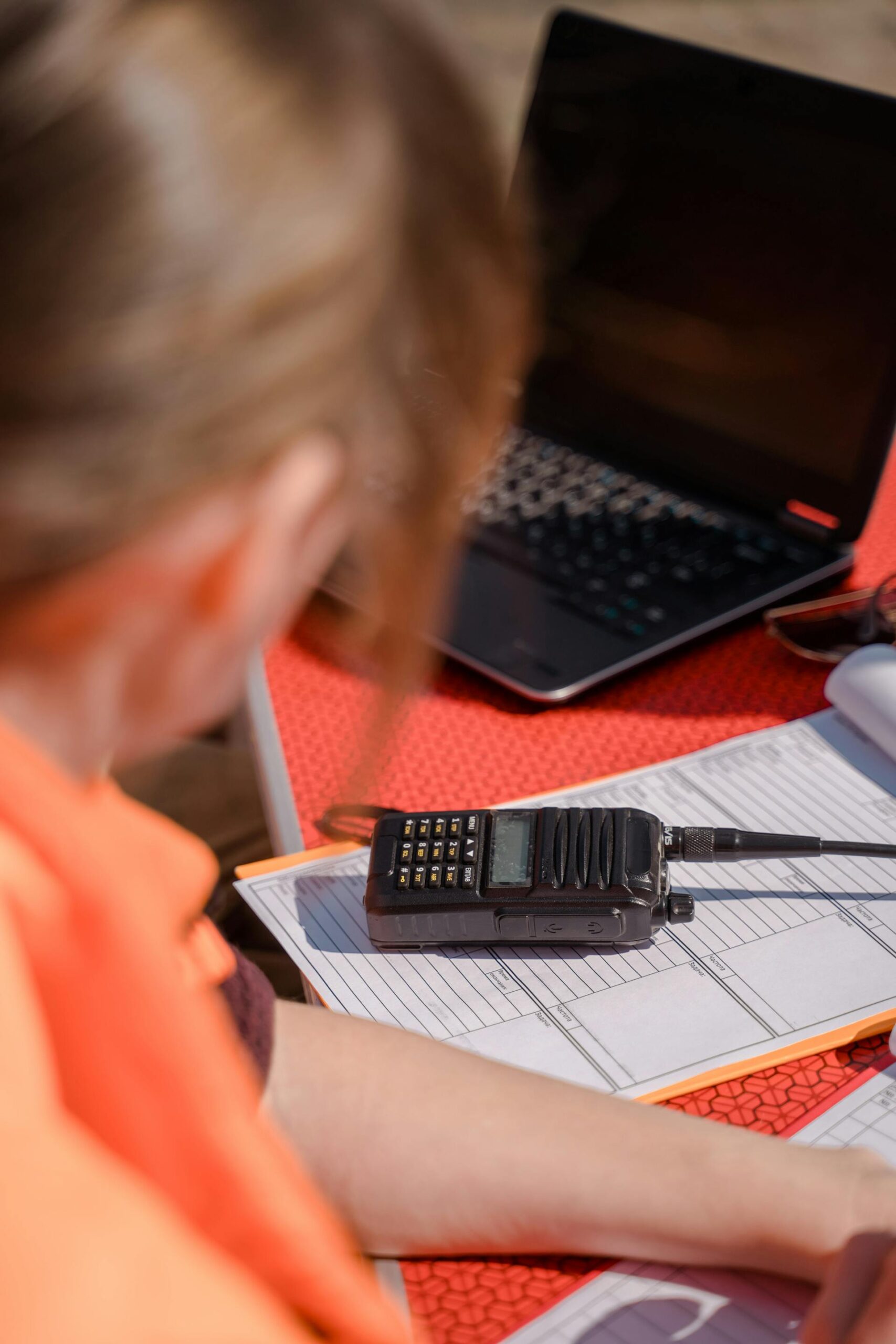
Two Way Radio Phones
Smartphones are central to event operations, but they do have limitations. Large venues often bring together thousands of people in one place. During peak periods, mobile networks can slow down, calls can drop, and messages may not arrive as quickly as expected.
That’s one reason dedicated communication tools still have a place in modern event management. Many organisers continue to use a two way radio for events because it offers direct communication between teams without relying on mobile coverage. In busy environments where timing matters, that reliability can be valuable. New technology tends to attract attention, but dependable technology tends to earn trust.
The Use of Wearables
Smartwatches have developed into practical tools for the workplace from lifestyle devices. Receiving updates on a wrist device may be quite beneficial for event supervisors who are travelling between meeting rooms, exhibition spaces, and registration locations. Quick alerts, schedule reminders, and operational notifications can be viewed without constantly reaching for a phone.
Conclusion
Attendees usually remember the keynote speaker, the networking opportunities, or the overall atmosphere. They rarely think about the technology supporting those experiences. Yet many of the things people appreciate such as short queues, clear directions, timely updates, and smooth operations are made possible by the tools event teams use every day.
Tablets help keep information accessible. Scanners speed up entry. Power banks prevent interruptions. Headsets improve communication. Wearables provide quick updates. These gadget’s value comes from helping people do their jobs more effectively. And in event operations, those small advantages often make the biggest difference.