


In modern architecture and interior design, doors have evolved far beyond their traditional role as mere entryways. Today, they are integral components that enhance functionality, safety, and aesthetics across various spaces. Smart door solutions, designed with technology and specific environmental needs in mind, have become increasingly popular in healthcare facilities, educational institutions, commercial buildings, and residential spaces. These innovative doors not only improve access and security but also contribute to the overall efficiency and ambiance of the environment.
Healthcare Doors: A Vital Component in Medical Facilities
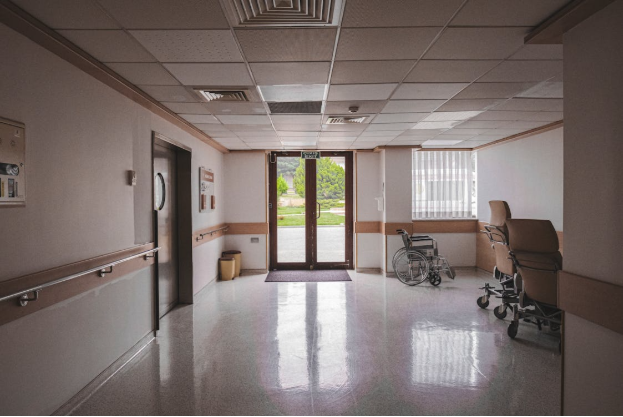
Healthcare doors play a critical role in ensuring safety, hygiene, and accessibility within medical environments. Designed to meet stringent health standards, healthcare doors are often equipped with features such as antimicrobial surfaces, automatic sensors, and seamless finishes that prevent the spread of infections. Their ability to open hands-free or with minimal touch is especially important in hospitals, clinics, and laboratories where sanitation is paramount. Moreover, these doors are constructed to be durable and resistant to frequent use while providing smooth operation, which is essential for areas like operating rooms, patient wards, and emergency departments. The integration of smart technologies allows healthcare doors to manage access control, monitor movement, and ensure compliance with safety protocols.
School Sliding Safety Doors: Enhancing Security and Accessibility
In educational environments, school sliding safety doors are increasingly implemented to balance accessibility with security. These doors are designed to provide safe passage for students, staff, and visitors while minimizing the risk of accidents and unauthorized access. Many models include soft-close mechanisms, anti-pinch sensors, and emergency release features, making them suitable for high-traffic corridors, classrooms, and recreational areas. By combining automation with safety features, school sliding safety doors help create a secure and efficient environment where learning and mobility are prioritized. Beyond safety, these doors also contribute to energy efficiency by controlling airflow and maintaining consistent indoor temperatures.
Residential Smart Doors: Convenience Meets Security
Residential spaces are also benefiting from smart door solutions that combine convenience, aesthetics, and security. Smart home doors often feature automated locking systems, biometric access, remote monitoring, and integration with home automation systems. These technologies allow homeowners to control access from anywhere, receive real-time alerts, and ensure the safety of family members and property. Additionally, residential smart doors come in a variety of styles, including modern glass panels, reinforced wood, and composite materials, allowing them to complement different architectural designs while enhancing functionality.
Commercial and Office Doors: Efficiency and Professional Appeal
In commercial buildings and office spaces, doors must balance efficiency, accessibility, and professional aesthetics. Automatic sliding doors, revolving doors, and high-speed doors are common solutions tailored for high-traffic areas such as lobbies, conference rooms, and retail entrances. These doors improve energy efficiency by minimizing heat loss and ensuring smooth traffic flow. Moreover, smart technologies can monitor usage patterns, control entry points, and integrate with security systems, making commercial doors both practical and technologically advanced. By investing in smart commercial doors, businesses can enhance visitor experience, reduce maintenance costs, and strengthen overall building security.
Specialized Doors for Unique Environments
Certain environments require doors with highly specialized features to meet unique operational needs. For example, cleanroom doors are essential in laboratories and pharmaceutical facilities where maintaining sterile conditions is critical. Fire-rated doors are designed to contain flames and smoke in case of an emergency, providing crucial time for evacuation. Similarly, soundproof doors are increasingly used in recording studios, conference rooms, and hospitals to maintain privacy and reduce noise pollution. These specialized doors demonstrate how thoughtful design and tailored technology can significantly improve the safety, functionality, and comfort of various spaces.
Conclusion
Smart door solutions are no longer limited to a functional role; they are essential elements that enhance safety, accessibility, and efficiency across different environments. From healthcare doors in hospitals to school sliding safety doors in educational institutions, residential smart doors, and commercial access solutions, the modern approach to door design prioritizes technology, convenience, and durability. Specialized doors further address the unique requirements of specific settings, showcasing the adaptability and innovation available in today’s door solutions. As technology continues to advance, the integration of smart features will redefine how doors contribute to the functionality and aesthetics of every space.