

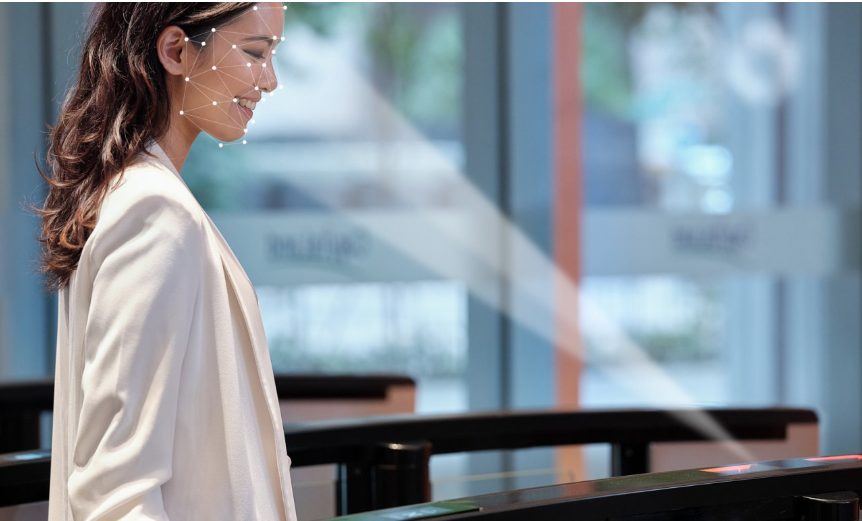

In today’s digital world, businesses face increasing challenges in securing sensitive information, managing employee attendance, preventing fraud, and delivering seamless customer experiences. Traditional authentication methods like passwords, PINs, and ID cards are no longer enough because they can be forgotten, stolen, or duplicated. This is where biometric systems have become a game-changing technology.
A biometric system identifies or verifies an individual’s identity by analyzing unique biological or behavioral characteristics. Whether it’s unlocking a smartphone with a fingerprint, using facial recognition for office entry, or authenticating online banking transactions, biometric technology has become an essential part of modern business operations.
This comprehensive guide explains what biometric systems are, how they work, their different types, applications across industries, key benefits, challenges, and the future of biometric authentication.
What Is a Biometric System?
A biometric system is a security technology that recognizes and verifies a person’s identity using unique physical or behavioral traits. Unlike passwords or access cards, biometric characteristics are difficult to copy or share, making authentication more secure.
Common biometric identifiers include:
- Fingerprints
- Facial recognition
- Iris recognition
- Retina scanning
- Voice recognition
- Palm vein recognition
- Hand geometry
- Signature dynamics
- Keystroke behavior
Every individual has unique biometric characteristics, allowing businesses to authenticate users accurately and efficiently.
How Does a Biometric System Work?
A biometric authentication system follows a structured process consisting of five key steps.
1. Enrollment
The user’s biometric information is captured for the first time using a scanner or camera.
Examples include:
- Scanning a fingerprint
- Capturing a facial image
- Recording a voice sample
- Scanning an iris
The collected information is converted into a mathematical template rather than storing the actual image.
2. Feature Extraction
The system analyzes unique characteristics from the biometric sample.
For example:
- Fingerprint ridges and minutiae
- Facial landmarks
- Iris texture patterns
- Voice frequencies
These features create a unique digital biometric template.
3. Storage
The encrypted biometric template is securely stored either:
- On a secure server
- In cloud storage
- On the user’s device
- Within a secure hardware chip
Most modern systems store templates instead of raw biometric images for enhanced security.
4. Authentication
When a user attempts authentication, the system captures a new biometric sample and compares it with the stored template.
5. Decision
If the similarity score exceeds the predefined threshold, access is granted. Otherwise, authentication is denied.
This process typically takes less than a second.
Types of Biometric Systems
Biometric systems are broadly categorized into two groups.
1. Physiological Biometrics
These rely on physical characteristics.
Fingerprint Recognition
Fingerprint authentication is the most widely adopted biometric method due to its affordability and accuracy.
Used in:
- Employee attendance systems
- Smartphones
- Access control
- Banking
Facial Recognition
Facial recognition identifies users using facial geometry and AI algorithms.
Applications include:
- Office entry
- Airport security
- Retail analytics
- Smartphone unlocking
Iris Recognition
The iris contains highly unique patterns that remain stable throughout life.
Benefits include:
- Extremely accurate
- Difficult to forge
- Suitable for high-security environments
Retina Recognition
Retina scanning analyzes blood vessel patterns inside the eye.
Common uses:
- Military
- Research laboratories
- Government facilities
Palm Vein Recognition
This technology authenticates users using vein patterns beneath the skin.
Advantages:
- Contactless
- Highly secure
- Very difficult to duplicate
Hand Geometry
Measures the size and shape of a person’s hand.
Used in:
- Factories
- Warehouses
- Industrial facilities
2. Behavioral Biometrics
Behavioral biometrics analyze how people perform certain actions.
Voice Recognition
Uses speech patterns and vocal characteristics.
Applications include:
- Call centers
- Banking
- Virtual assistants
Signature Recognition
Examines writing speed, pressure, and stroke sequence.
Commonly used for:
- Banking
- Legal documentation
- Insurance
Keystroke Dynamics
Measures typing speed, rhythm, and timing.
Useful for:
- Remote employee verification
- Cybersecurity
- Continuous authentication
Biometric Authentication Methods
Businesses generally use three authentication approaches.
Verification (1:1 Matching)
The system checks whether the user matches a claimed identity.
Example:
An employee scans a fingerprint linked to their employee ID.
Identification (1:N Matching)
The system searches the database to determine who the individual is.
Example:
Airport facial recognition systems.
Multi-Factor Authentication
Combines biometrics with another authentication factor.
Examples:
- Fingerprint + PIN
- Face + Password
- Iris + Smart Card
This approach significantly increases security.
Applications of Biometric Systems
Employee Attendance
Organizations replace manual registers with fingerprint or facial recognition attendance systems.
Benefits include:
- Preventing buddy punching
- Accurate payroll
- Automated reporting
Access Control
Businesses use biometric systems to secure:
- Offices
- Data centers
- Manufacturing facilities
- Research labs
Only authorized personnel can gain entry.
Banking and Financial Services
Banks use biometrics for:
- Mobile banking login
- ATM authentication
- Customer verification
- Fraud prevention
Healthcare
Hospitals use biometric systems for:
- Patient identification
- Electronic health records
- Staff authentication
- Prescription security
Education
Schools and universities use biometric technology for:
- Student attendance
- Library access
- Examination verification
- Campus security
Government Services
Governments implement biometrics for:
- National identity programs
- Border security
- Passport verification
- Voter authentication
Retail
Retail businesses use biometric authentication for:
- Secure payments
- Customer loyalty
- Employee attendance
- Loss prevention
Manufacturing
Factories implement biometrics for:
- Shift management
- Restricted area access
- Workforce monitoring
- Safety compliance
Airports and Transportation
Biometric technology speeds up:
- Passenger verification
- Immigration
- Boarding
- Security screening
Benefits of Biometric Systems
Enhanced Security
Biometric traits are unique to each individual, making unauthorized access significantly more difficult.
Faster Authentication
Most biometric systems authenticate users within seconds.
Improved User Experience
Employees and customers no longer need to remember passwords or carry access cards.
Fraud Prevention
Biometric authentication minimizes:
- Identity theft
- Fake attendance
- Account takeover
- Unauthorized transactions
Increased Productivity
Automated attendance and access control reduce administrative work.
Better Compliance
Many industries require strong identity verification to comply with regulatory standards.
Cost Savings
Although initial implementation costs may be higher, businesses save money by reducing fraud, administrative tasks, and password reset requests over time.
Challenges of Biometric Systems
Despite their advantages, biometric systems have some challenges.
Privacy Concerns
Organizations must protect biometric data and comply with applicable data protection laws.
Initial Investment
Hardware, software, and integration costs can be substantial for large deployments.
Environmental Factors
Poor lighting, dirty fingers, masks, or background noise can affect accuracy.
False Acceptance and False Rejection
No biometric system is perfect. Businesses should balance convenience with security when configuring authentication thresholds.
Data Security
Biometric templates should always be encrypted and stored securely to reduce the risk of unauthorized access.
Future of Biometric Systems
The future of biometric technology is being shaped by artificial intelligence, machine learning, and cloud computing.
Emerging trends include:
- AI-powered facial recognition
- Contactless biometric authentication
- Behavioral biometrics for continuous verification
- Mobile biometric payments
- Cloud-based biometric identity management
- Voice biometrics for customer support
- Wearable biometric authentication
- Multi-modal biometric systems combining fingerprint, face, and voice
- Liveness detection to prevent spoofing attacks
- Passwordless authentication for enterprise environments
As organizations continue their digital transformation, biometric systems are expected to become a standard component of secure identity management.
How Businesses Should Choose a Biometric System
Before investing in a biometric solution, consider the following factors:
- Security requirements
- Number of users
- Scalability
- Integration with existing systems
- Compliance obligations
- Ease of use
- Accuracy and speed
- Total cost of ownership
- Vendor support
- Future expansion needs
Selecting the right biometric technology ensures better security, operational efficiency, and long-term value.
Conclusion
Biometric systems have transformed how businesses authenticate users, secure assets, and streamline operations. By replacing traditional passwords and ID cards with unique biological or behavioral characteristics, organizations can improve security while providing a faster and more convenient user experience.
From fingerprint attendance systems and facial recognition access control to AI-driven identity verification, biometric technology is becoming an essential investment for businesses of all sizes. While organizations must address privacy, data protection, and implementation challenges, the long-term benefits make biometric systems a valuable solution for modern workplaces.
As innovations such as AI, contactless authentication, and passwordless security continue to evolve, biometric systems will play an even greater role in protecting digital identities and supporting secure business growth.
What is a biometric system?
A biometric system is a technology that verifies or identifies individuals using unique physical or behavioral characteristics such as fingerprints, facial features, iris patterns, or voice.
How does a biometric system work?
A biometric system captures a biometric sample, converts it into a digital template, securely stores it, and compares future scans with the stored template to authenticate identity.
What are the main types of biometric systems?
The main types include fingerprint recognition, facial recognition, iris recognition, retina scanning, voice recognition, palm vein recognition, hand geometry, and behavioral biometrics.
Why are biometric systems more secure than passwords?
Biometric traits are unique to each individual and cannot be easily forgotten, shared, or duplicated, making them more secure than traditional passwords.
Where are biometric systems used?
Biometric systems are used in businesses, banks, healthcare, education, government, airports, manufacturing, retail, and smartphones.
What are the advantages of biometric authentication?
Key benefits include stronger security, faster authentication, improved user convenience, reduced fraud, better compliance, and increased operational efficiency.
What challenges do biometric systems face?
Common challenges include privacy concerns, implementation costs, environmental factors affecting accuracy, and the need for secure storage of biometric data.
What is the future of biometric technology?
The future includes AI-powered recognition, contactless authentication, passwordless login, behavioral biometrics, cloud-based identity management, and multi-modal biometric solutions.
Which biometric system is best for businesses?
The best biometric system depends on business requirements. Fingerprint and facial recognition are popular for attendance and access control, while multi-factor biometric authentication offers the highest level of security.
Can biometric systems prevent fraud?
Yes. Biometric systems significantly reduce identity fraud, fake attendance, unauthorized access, and account takeover by verifying users based on unique biological or behavioral characteristics.