


Table of Contents
- Introduction to ASAP to PSAP
- How ASAP to PSAP Works
- Benefits of Implementing ASAP to PSAP
- Real-World Implementations
- Challenges and Considerations
- Future of Emergency Dispatch
- Conclusion
Introduction to ASAP to PSAP
Seconds can make the difference between life and loss during emergencies. As emergency response protocols evolve, technologies such as the Automated Secure Alarm Protocol (ASAP) to the Public Safety Answering Point (PSAP) are quickly becoming transformative tools in public safety infrastructure. By digitally connecting alarm monitoring services directly with emergency dispatch centers, this protocol streamlines response times, helping ensure support arrives at the scene faster than ever before. For organizations and municipalities seeking real solutions, understanding how this protocol works can unlock new levels of efficiency. To learn more, visit http://www.quickresponse.net/monitoring-solutions/asap-to-psap/.
The heart of ASAP to PSAP is its ability to bypass traditional phone-based notification, resulting in swifter, more accurate dispatches. This automated communication not only expedites emergency responses but also reduces the strain on 911 operators, allowing them to focus on complex incidents that require more intensive coordination and communication. As implementation expands, communities are seeing measurable improvements in both the speed and reliability of emergency support.
How ASAP to PSAP Works
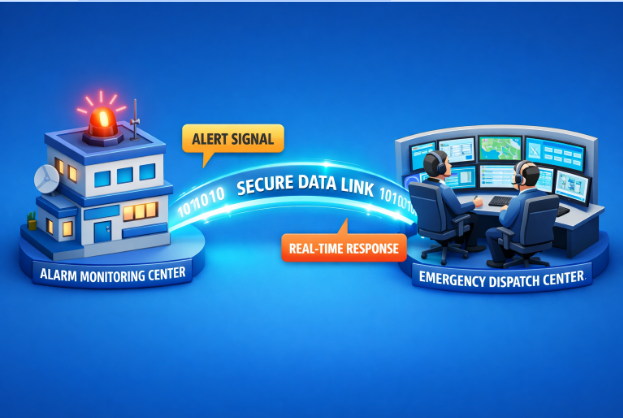
The legacy approach to alarm notification typically involved an employee at an alarm monitoring company manually calling the appropriate PSAP after an alarm was activated. This process is prone to delays and mistakes, especially when speaking under stress or across language barriers. ASAP to PSAP revolutionizes this workflow by automating communication: alarm signal data is instantly and securely transmitted into the computer-aided dispatch (CAD) systems used by responders. This direct exchange slashes the risk of human error and gets vital details into the hands of the right personnel almost immediately.
The technical integration allows alarm monitoring systems to send digital event details to the relevant PSAP using secure, standardized messaging. This message includes information such as the type of alarm, address, contact information, and the alarm company’s callback number. Once received, these details are automatically imported into the dispatcher’s workflow, allowing them to dispatch emergency personnel without asking follow-up questions or re-entering data.
Benefits of Implementing ASAP to PSAP
- Reduced Response Times: Automating alarm notifications enables dispatchers to receive alerts in real time, trimming minutes from emergency response times. For example, Osceola County, Florida, documented a reduction of up to 8 minutes in handling alarm calls after switching from an in-house PSAP to ASAP, an improvement that can be crucial during high-stakes incidents.
- Increased Accuracy: Automated transmissions virtually eliminate communication errors, ensuring that address, alarm type, and other critical data reach first responders as intended by the monitoring company.
- Enhanced Efficiency: Call centers can process higher volumes of alarm events with less manual intervention, enabling staff to handle a broader spectrum of emergencies with more focus.
Real-World Implementations
Pioneering agencies across the country are already realizing the advantages of ASAP to PSAP. These real-world examples illustrate its tangible benefits in daily emergency operations:
- Hennepin County, Minnesota: Recognizing the potential for faster emergency alerting, the county implemented ASAP-to-PSAP within its sheriff’s operations. The result was more streamlined dispatching, with first responders reaching scenes more quickly and telecommunicators experiencing significant time savings.
- Berks County, Pennsylvania: With thousands of annual alarm notifications, manual processes hinder timely responses. By introducing ASAP to PSAP, Berks County dramatically reduced the volume of manual calls and the time needed per incident, improving both public and responder safety.
Challenges and Considerations
Despite its clear benefits, deploying ASAP to PSAP is not without a few hurdles. Here are key considerations for organizations and municipalities planning to adopt this protocol:
- Technical Integration: Systems used by monitoring companies and dispatch centers must be compatible and capable of securely exchanging information. This might require software upgrades, new interfaces, or a redesign of CAD workflows.
- Training: Both dispatch center personnel and alarm monitoring staff need thorough training to become familiar with the new automated processes. Change management is essential to ensure smooth adoption and reliability.
- Cost: The upfront investments in software development and staff training may be significant, but efficiency gains and reduced error rates often yield substantial long-term savings and returns on investment.
For a broader discussion on the evolution of emergency technology, readers may also find interest in the comprehensive overview available at Emergency Management Magazine.
Future of Emergency Dispatch
The growing popularity of ASAP-to-PSAP signals a broader movement towards data-driven, technology-enhanced public safety practices. As more jurisdictions experience the operational benefits, the protocol is well-positioned to become the national standard for alarm notifications. This integration of advanced messaging protocols and modern CAD platforms enables 911 centers to respond to more calls with greater precision and lower administrative overhead. Communities adopting these solutions are setting the stage for a new era in public safety, where rapid, reliable, and accurate emergency response becomes the expectation rather than the exception.
Conclusion
ASAP to PSAP stands out as a key innovation in emergency response, offering an optimized link between private alarm monitoring companies and public emergency dispatch infrastructure. As more cities and counties upgrade their systems, the benefits of reduced response time, increased accuracy, and operational efficiency become even more apparent. These advances are shaping safer communities for everyone and supporting first responders who rely on timely, accurate information to protect lives and property.