

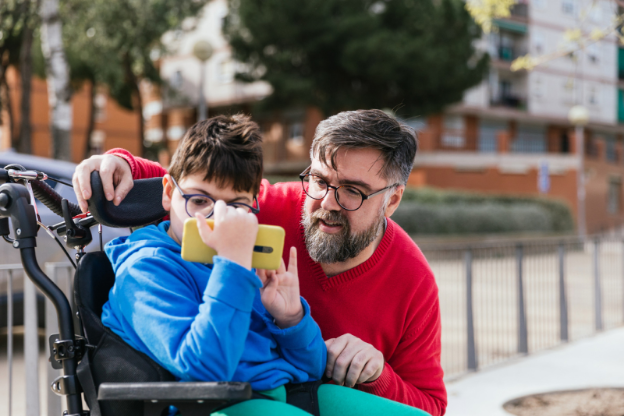

Technology has made life easier for everyone, but for people with disabilities, it can make a huge difference. iPhones are already powerful devices, but Apple has added tools called Accessibility features to help users who have vision, hearing, or movement challenges.
ALS Accessibility is one of these tools, designed to help people with Amyotrophic Lateral Sclerosis (ALS) use their iPhones more easily. In this article, we will explore five reasons why you should consider using ALS Accessibility for your iPhone.
1. Easy Communication
One of the biggest challenges for people with ALS is speaking or typing messages. ALS Accessibility For iPhone provides options to control the iPhone using minimal movements or even voice commands. This allows users to send messages, make phone calls, and use social media without relying on traditional typing.
By making communication easier, it helps people stay connected with family, friends, and work contacts. Staying in touch becomes less stressful and more natural, which improves overall quality of life.
2. Customizable Controls
Every person with ALS experiences the condition differently, so one-size-fits-all solutions do not always work. ALS Accessibility allows users to customize settings based on their needs. You can adjust touch sensitivity, enable voice control, and even set up switch devices to navigate your phone.
These customizations make it easier to perform daily tasks like browsing the internet, reading emails, or opening apps. With options that fit your abilities, using an iPhone feels much simpler and more enjoyable.
3. Better Independence
Many people with ALS rely on others for everyday tasks, which can be frustrating and limit independence. ALS Accessibility tools give users the power to handle more activities on their own. For example, voice commands can help users send texts, make calls, or search for information without asking someone for help.
This independence boosts confidence and allows users to feel more in control of their lives. Technology that supports autonomy makes living with ALS less restrictive.
4. Enhanced Safety Features
Safety is important, especially for people who may find physical movement difficult. ALS Accessibility helps users quickly call emergency contacts or access important information. With voice commands or switch control, a user can alert others in case of danger or health problems.
The ability to reach help quickly provides peace of mind for both the user and their family. Knowing that your iPhone can assist in emergencies adds an extra layer of security to daily life.
5. Seamless Integration with Other Apps
ALS Accessibility works with many iPhone apps, making life more convenient. From calendar apps to health monitoring tools, the feature ensures users can interact with their favorite apps without barriers. This integration helps users manage schedules, track medications, or connect with healthcare providers.
By simplifying app usage, ALS Accessibility creates a smoother experience that allows users to focus on important tasks rather than struggling with technology.
Conclusion
ALS accessibility for the iPhone is more than just a set of tools—it is a way to make life easier, safer, and more independent for people with ALS. By improving communication, providing customizable controls, supporting independence, enhancing safety, and integrating with other apps, this feature can have a meaningful impact every day.
For anyone living with ALS, using the iPhone’s accessibility options is not just helpful; it is empowering. Technology can remove barriers, and ALS Accessibility is a perfect example of how a device can adapt to people’s needs.